Atheroma and atherosclerosis are two different medical conditions that are often confused due to their similar names. However, they are different problems that affect the body in different ways.
What are atheromas?
Atheromas, also known as epidermoid cysts, are benign cysts that form under the skin due to blockage of the sebaceous gland duct. This leads to a buildup of sebum (an oily substance), causing soft, round lumps to form under the skin. They most commonly occur in areas rich in sebaceous glands, such as the face, neck, back, and scalp. They are usually painless and slow-growing, but they can become inflamed or infected, causing redness, pain, and swelling. (1*)
Treatment of atheroma:
- Observation: If the cyst is not causing problems, treatment is usually not necessary. (2*)
- Steroid injection: A steroid may be injected into the cyst to reduce inflammation. (2*)
- Surgical removal: If the cyst causes discomfort or becomes frequently inflamed, it may be surgically removed along with its sheath to prevent recurrence.
What is atherosclerosis?
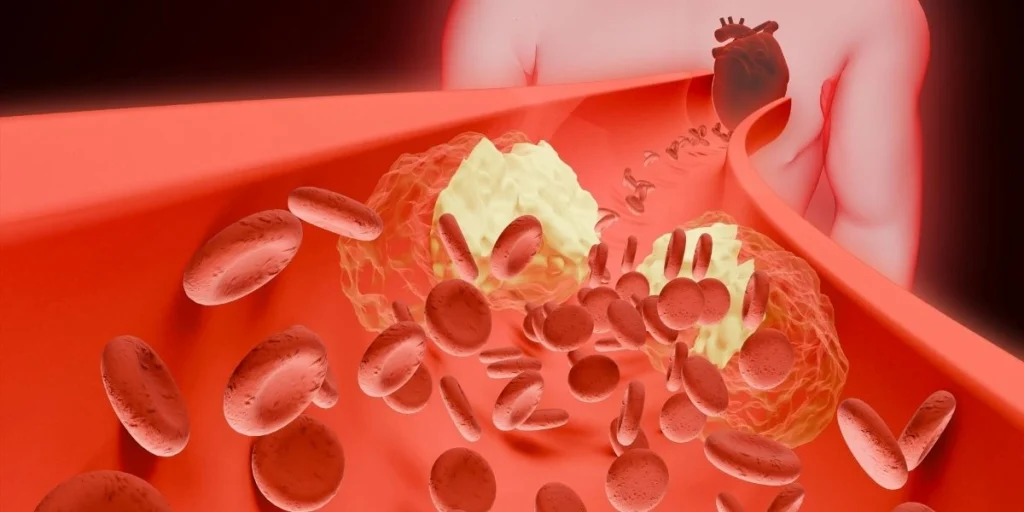
Atherosclerosis is a chronic disease of the arteries in which plaques, made up of cholesterol, fats, and calcium, build up on the inner walls of blood vessels. This leads to narrowing of the arteries and reduced blood flow to vital organs, increasing the risk of serious complications such as heart attack, stroke, or heart failure. The disease is often asymptomatic until serious complications occur.
Treatment of atherosclerosis:
- Lifestyle changes: Healthy diet, regular physical activity, quitting smoking, and weight control.
- Medications: Statins to lower cholesterol, medications to lower blood pressure, and antithrombotic medications to prevent blood clots.
- Surgical procedures: In more severe cases, procedures such as angioplasty and stent insertion to open narrowed arteries may be necessary. (3*)
Key Differences Between Atheromas and Atherosclerosis
- Nature of the problem: Atheromas are localized skin cysts, while atherosclerosis is a systemic disease of the arteries.
- Causes: Atheromas are caused by clogged sebaceous glands and sebum buildup under the skin. Atherosclerosis is the result of plaque buildup inside the walls of arteries, leading to their narrowing.
- Consequences: Atheromas are usually harmless unless they become inflamed or infected. Atherosclerosis can cause serious cardiovascular complications, such as heart attack or stroke. (3*)
Risk factors and prevention
There are no clearly defined risk factors for atheromas, but overactive sebaceous glands or skin damage may contribute to their formation. Regular hygiene and skin care can help prevent them. (1*)
Atherosclerosis is associated with risk factors such as high cholesterol, high blood pressure, smoking, diabetes, obesity and an unhealthy lifestyle. Prevention includes a healthy diet rich in fiber and omega-3 fatty acids, regular physical activity, quitting smoking and maintaining a healthy weight. (3*)
When to seek medical attention?
In the case of atheroma, it is advisable to see a doctor if you notice inflammation, rapid growth, or if the cyst causes aesthetic or functional problems. In the case of atherosclerosis, it is essential to seek medical attention if you experience symptoms such as chest pain, shortness of breath, or sudden problems such as weakness or difficulty speaking, as these symptoms may indicate serious complications such as a heart attack or stroke.
Conclusion
Although atheroma and atherosclerosis have similar names, they are different conditions with different causes, consequences, and treatments. Understanding these differences is key to properly recognizing, preventing, and treating each condition.
Literature (*):
- Source: Epidermoid cysts (Mayo Clinic), http://www.mayoclinic.org/diseases-conditions/epidermoid-cysts/symptoms-causes/syc-20352701
- Source: Epidermoid cysts (Mayo Clinic), https://www.mayoclinic.org/diseases-conditions/epidermoid-cysts/diagnosis-treatment/drc-20352706
- Source: Atherosclerosis (NHLBI), http://www.nhlbi.nih.gov/health/atherosclerosis/treatment
Read our latest posts
- Nettle – a natural gift of forest wisdom
 Stinging nettle (Urtica dioica) is an ancient medicinal plant rich in nutrients and antioxidants. It is clinically supported for its allergy relief, anti-inflammatory and nutritional value. Nettle tea or dishes provide gentle yet effective support for the body.
 - Burns: how to recognize them, take action and restore the skin with Ribogal fish ointment
 Burns weaken the skin barrier, causing moisture loss and inflammation. Quick first aid includes cooling and the use of gentle ointments. Ribogal fish ointment, rich in petrolatum, lanolin and omega-3 fatty acids, supports skin regeneration, guides its protection and hydration, and accelerates the healing process.
 - Yogurt bowl with flaxseed for energy, digestion and heart
 Yogurt bowl with flaxseed, berries and nuts – a nutritious and refreshing meal, rich in fiber and omega-3 to support the heart and digestion.