What does it mean to be “allergic to garlic”?
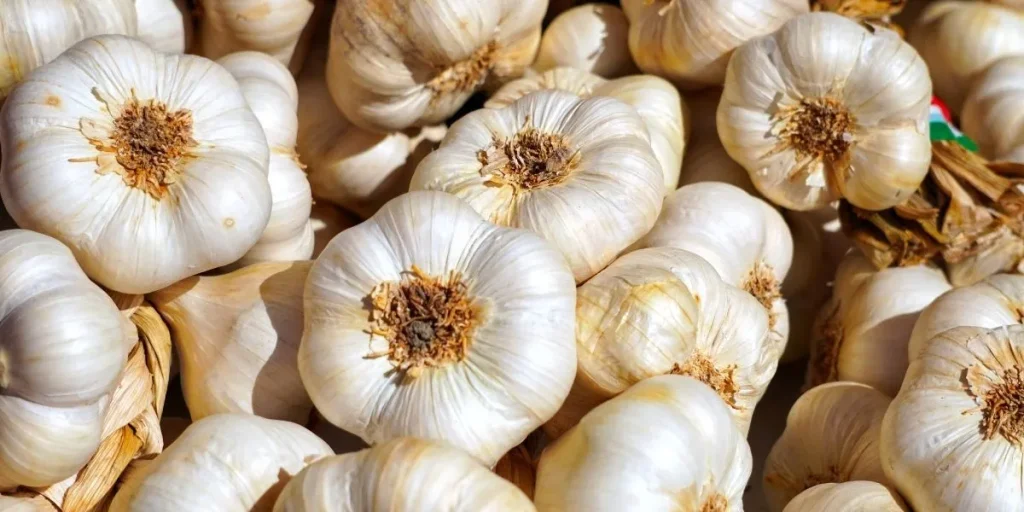
Garlic allergy is very rare , but it can trigger a strong immune response. The immune system mistakenly identifies certain proteins in garlic as dangerous, which triggers symptoms such as:
- skin reactions ,
- breathing problems ,
- nausea or cramps ,
- in very rare cases even anaphylaxis (a life-threatening reaction).
Raw garlic is the most common cause of problems, as it contains the enzyme alliin lyase , which is a strong allergen.
How to recognize allergy symptoms?
Reactions can occur upon contact or ingestion. Common symptoms include:
- Contact dermatitis : red, itchy skin or cracks on the fingers after cutting garlic. (1*)
- Digestive symptoms : nausea, abdominal cramps, diarrhea. (2*)
- Swelling in the mouth : itching of the tongue or throat. (2*)
- Anaphylaxis : very rare, but possible – rapid swelling, difficulty breathing, drop in blood pressure. (2*)
Garlic intolerance – much more common
Although garlic allergy affects very few people, intolerance is much more common .
Intolerance does not involve the immune system , but the body cannot properly digest certain components in garlic – for example, fructans (a type of FODMAP carbohydrate) or histamine. As a result, sensitive people may experience: (2*)
- bloating ,
- winds ,
- heartburn or reflux ,
- diarrhea or cramps after eating garlic.
So it’s a digestive reaction , not an allergy – and it’s not life-threatening, but it can significantly reduce the quality of life.
How to make a diagnosis?
If you suspect that garlic is causing you harm, consult an allergist or gastroenterologist . Diagnostic procedures include:
- discussion of symptoms and history,
- skin test (prick test) or blood test for antibodies (IgE),
- sometimes also controlled testing with a small amount of garlic (so-called “oral challenge”).
What to do in everyday life?
- Check the ingredients – garlic is hidden in many processed products (sauces, spices, meat products).
- Be careful in restaurants – tell the staff that you are not allowed to eat garlic.
- Substitute flavor – use spices such as cumin, ginger, coriander, black pepper, or fennel.
- Cooked garlic is milder – but NOT safe for allergy sufferers! However, some people with intolerances may tolerate it better.
- In case of intolerance, your doctor may recommend a low-FODMAP diet or mild digestive medications.
Be careful, but don’t panic.
Although garlic allergy is rare, it can cause serious reactions – so it is important to distinguish it from the more common intolerance , which mainly affects digestion.
If you suspect a food allergy, the best course of action is to consult a doctor and get a diagnosis . With a little attention and the right substitutes, you can still enjoy a delicious and safe diet.
Literature: (*)
- Source: Garlic-related dermatoses: case report and review of the literature, (U. Jappe, B. Bonnekoh, BM Hausen, H. Gollnick), https://pubmed.ncbi.nlm.nih.gov/10072338/
- Food Allergy Vs Food Intolerance in Patients With Irritable Bowel Syndrome, (SE Crowe), https://pmc.ncbi.nlm.nih.gov/articles/PMC6423694/
Read our latest posts
- Nettle – a natural gift of forest wisdom
 Stinging nettle (Urtica dioica) is an ancient medicinal plant rich in nutrients and antioxidants. It is clinically supported for its allergy relief, anti-inflammatory and nutritional value. Nettle tea or dishes provide gentle yet effective support for the body.
 - Burns: how to recognize them, take action and restore the skin with Ribogal fish ointment
 Burns weaken the skin barrier, causing moisture loss and inflammation. Quick first aid includes cooling and the use of gentle ointments. Ribogal fish ointment, rich in petrolatum, lanolin and omega-3 fatty acids, supports skin regeneration, guides its protection and hydration, and accelerates the healing process.
 - Yogurt bowl with flaxseed for energy, digestion and heart
 Yogurt bowl with flaxseed, berries and nuts – a nutritious and refreshing meal, rich in fiber and omega-3 to support the heart and digestion.