Hives (urticaria): Symptoms, types, causes and treatment
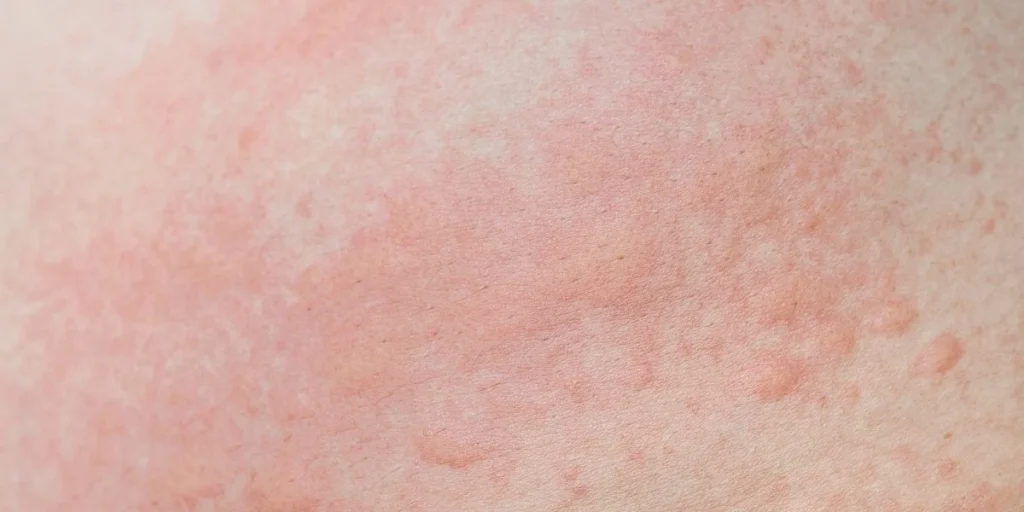
Hives , also known as urticaria , is a common skin reaction that causes itchy, red welts. It can be caused by a variety of factors, such as allergens (foods, insect bites, medications), environmental factors (cold, heat), or physical triggers. While it can affect anyone, it’s important to understand the causes, symptoms, and treatment options for hives.
Symptoms of hives (urticaria)
Hives appear as raised, itchy bumps on the skin that may be red or pale pink. In addition to itching, there may also be a burning or stinging sensation. The bumps can be small, about the size of a fingertip, or as large as a dinner plate. They usually disappear within 24 hours, but they can reappear in other places after a while.
Types of hives
- Acute hives : This form occurs quickly after contact with an allergen and lasts less than six weeks. It is most often caused by allergies to foods, insect stings, or medications.
- Chronic hives : In chronic hives, symptoms last for more than six weeks and may occur several times a week. The causes may be internal disorders of the body, such as autoimmune diseases or chronic inflammation.
Allergens and triggers of hives
Hives can be triggered by various factors, the most common of which are:
- Food allergens : Eggs, meat, nuts, fruit.
- Inhalant allergens : Pollen, mold, animal dander.
- Insect stings : Bees, wasps, mosquitoes.
- Medications : Antibiotics, analgesics.
- Physical factors : Sunlight, cold, heat, pressure on the skin.
Treatment of hives
Treatment for hives depends on the type and severity of the condition. In acute cases, antihistamines are often sufficient to relieve itching and reduce the rash. Chronic hives, however, require long-term treatment, which may include various types of medications and sometimes immunotherapy . Identifying and avoiding triggers, as well as taking preventive measures, is key.
Preventive measures to prevent hives
Since complete avoidance of allergens, especially those in the air, is difficult to achieve, it is possible to reduce exposure by taking certain measures:
- Monitoring the pollen forecast : Tracking pollen concentrations in the air helps when planning outdoor activities.
- Allergen protection : Wear sunglasses and protect your skin from exposure to allergens.
- Indoor activities : Spend more time indoors during periods of high pollen concentrations.
When to seek medical attention
If your hives symptoms persist or occur frequently, it is recommended to see a doctor. Your doctor will help you identify triggers, prescribe appropriate treatment, and advise you on preventive measures. Also, seek help if you experience more severe symptoms, such as difficulty breathing , dizziness , or facial swelling , as these may be signs of a more severe allergic reaction that requires immediate treatment.
Conclusion: How to effectively manage hives
Hives are often an uncomfortable skin reaction that can have a significant impact on quality of life. By understanding its causes, recognizing the symptoms, and receiving appropriate treatment, we can effectively manage this condition. With timely diagnosis and preventive measures, it is possible to reduce the risk of recurrent hives and improve the quality of life of individuals who experience this condition.