As we enter the world of medicinal plants, oak bark – a mighty, rain-soaked gift of nature – embraces us with its ancient wisdom. It is only when we observe it calmly that we begin to feel its soothing and healing power.
It is the raw material of various species of oak ( Quercus ), most commonly from Quercus robur , petraea or pubescens – part of the beech family ( Fagaceae ). In folk medicine, the bark has been valued for centuries for its cultural use for daily ailments, precisely because of its strong tannins and polyphenols.
Folk tradition
Traditionally, oak bark has been used against:
- diarrhea, inflammation of the oral mucosa and throat , as well as digestive disorders , (1*)
- hemorrhoids, skin inflammations, wounds , as it creates a protective layer and soothes the tissue. (1*) (2*)
Scientifically proven benefits
- Anti-allergic action – oak bark oxide extract can block the release of histamine and inflammatory cytokines from mast cells, which supports its use in allergies. (3*)
- Antimicrobial and anti-inflammatory effects – tannins and polyphenols such as gallic and ellagic acid have proven antimicrobial and anti-inflammatory effects. (2*) (4*)
- Antioxidative effect and enzyme inhibition – extracts inhibit enzyme systems such as α-glucosidase and tyrosinase, allowing for potential use in sugar regulation and skin pigmentation disorders. (5*)
How can we use the crust?
It is most often used as:
- Tea or decoction – for internal relief of diarrhea or sore throat.
- Tinctures, poultices, compresses or creams – for skin, wound or hemorrhoid care.
It is recommended to use for 1–3 weeks, in small doses for skin inflammation, to prevent drying out.
Recommendations and precautions
Oak bark is mostly safe, but:
- When used internally, it can irritate the digestive tract or cause constipation , due to its strong astringency.
- Not recommended for pregnant women, nursing mothers and children without consulting a doctor. (1*)
Connection with nature
Oak bark tea or goulash acts as a ritual that invites us to retreat and pay attention, to our skin, beauty and inner peace. Every breath is a reminder of the power of traditional wisdom imprinted in the tree for centuries.
Literature: (*)
- Source: Medicinal Uses, Phytochemistry, and Pharmacological Activities of Quercus Species , (M. Taib, Y. Rezzak, L. Bouyazza, B. Lyoussi), https://pubmed.ncbi.nlm.nih.gov/32802116/
2. Source: A Comprehensive Review of Phytochemistry and Biological Activities of Quercus Species , (E. Burlacu, A. Nisca, C. Tanase), https://www.mdpi.com/1999-4907/11/9/904
3. Source: Constituents from oak bark (Quercus robur L.) inhibit degranulation and allergic mediator release from basophils and mast cells in vitro . https://www.sciencedirect.com/science/article/abs/pii/S0378874116312132
4th source: Polyphenol Profile and Pharmaceutical Potential of Quercus spp. Bark Extracts , (HO Elansary, A. Szopa, P. Kubica, H. Ekiert, MA Mattar, MA Al-Yafrasi, DO El-Ansary, TK Zin El-Abedin, K. Yessoufou), https://pubmed.ncbi.nlm.nih.gov/31717611/
5. Source: Biological Activity of Bark Extracts from Northern Red Oak (Quercus rubra L.): An Antioxidant, Antimicrobial and Enzymatic Inhibitory Evaluation , (C. Tanase, A. Nicolescu, A. Nisca, R. Ștefănescu, M. Babotă, AD Mare, CN Ciurea, A. Man), https://www.mdpi.com/2223-7747/11/18/2357

OAK BARK
Check out our latest posts
- Nettle – a natural gift of forest wisdom
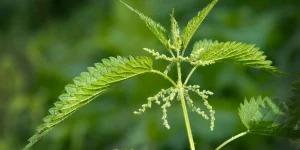
 Stinging nettle (Urtica dioica) is an ancient medicinal plant rich in nutrients and antioxidants. It is clinically supported for its allergy relief, anti-inflammatory and nutritional value. Nettle tea or dishes provide gentle yet effective support for the body.
 - Burns: how to recognize them, take action and restore the skin with Ribogal fish ointmentBurns weaken the skin barrier, causing moisture loss and inflammation. Quick first aid includes cooling and the use of gentle ointments. Ribogal fish ointment, rich in petrolatum, lanolin and omega-3 fatty acids, supports skin regeneration, guides its protection and hydration, and accelerates the healing process.
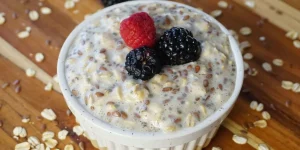
- Yogurt bowl with flaxseed for energy, digestion and heartYogurt bowl with flaxseed, berries and nuts – a nutritious and refreshing meal, rich in fiber and omega-3 to support the heart and digestion.