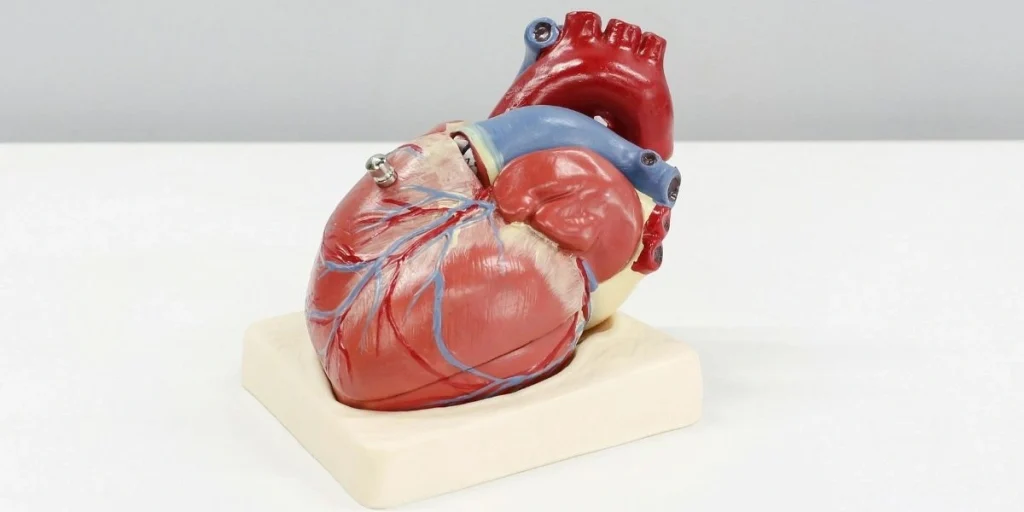
Disorders of fat metabolism, also known as dyslipidemias, are a major risk factor for the development of cardiovascular disease (CVD), the leading cause of death worldwide. Dyslipidemias include abnormal levels of lipids in the blood, such as elevated LDL (“bad”) cholesterol, lowered HDL (“good”) cholesterol, and elevated triglycerides. These changes contribute to the development of atherosclerosis, a condition in which fatty deposits build up in the walls of arteries, which can lead to heart attack or stroke.
Causes and risk factors
Dyslipidemias can be due to genetic factors, such as familial hypercholesterolemia, or they can be acquired due to an unhealthy lifestyle, including:
- Unhealthy diet rich in saturated fats and trans fats
- Lack of physical activity
- Obesity, especially abdominal
- Smoking
- Excessive alcohol consumption
- Certain diseases, such as type 2 diabetes, hypothyroidism, and chronic kidney disease.
Additionally, certain medications, such as corticosteroids and some diuretics, can affect blood lipid levels. (1*)
Effect on the heart and blood vessels
Elevated LDL cholesterol and triglycerides and low HDL cholesterol are associated with an increased risk of developing cardiovascular disease. LDL cholesterol can become oxidized and contribute to inflammation and the formation of atherosclerotic plaques in the arteries. These plaques can narrow or completely block the arteries, leading to heart attack or stroke. (2*)
Furthermore, dyslipidemias are often associated with other risk factors such as hypertension, insulin resistance, and chronic inflammation, further increasing the risk of cardiovascular complications. (2*)
Prevention and treatment
Effective management of dyslipidemias involves a combination of lifestyle changes and, when necessary, pharmacological treatment:
- Diet : Adopting a cardiovascular-friendly diet, such as the Mediterranean diet, rich in fiber, fruits, vegetables, whole grains, and healthy fats. (3*)
- Physical activity : Regular physical exercise, at least 150 minutes of moderate aerobic activity per week. (3*)
- Quitting smoking : Smoking reduces HDL cholesterol and damages blood vessels. (3*)
- Weight loss : Losing excess weight, especially abdominal weight, can improve your lipid profile. (3*)
- Medications : In cases where lifestyle changes are not enough, medications such as statins, ezetimibe, or fibrates may be prescribed to lower LDL cholesterol and triglyceride levels. (3*)
The importance of early detection
Because dyslipidemias often have no symptoms, it is important to regularly check blood lipid levels, especially in individuals with a family history of CVD or other risk factors. Early detection and intervention can significantly reduce the risk of serious cardiovascular events.
Fat metabolism disorders are an important but often overlooked risk factor for cardiovascular disease. A healthy lifestyle, regular health monitoring, and appropriate treatment, if necessary, can effectively reduce the risk and improve the quality of life.
Literature (*):
- Source: Dyslipidemia (N. Pappan, AO Awosika, A. Rehman), https://www.ncbi.nlm.nih.gov/books/NBK560891/
2. Source: Lipid Disorders and Cardiovascular Risk: A Comprehensive Analysis of Current Perspectives (M. Wazir, OA Olanrewaju, M. Yahya, J. Kumari, N. Kumar, J. Singh..), https://pubmed.ncbi.nlm.nih.gov/38292957/
3. Source: Dyslipidemia and Cardiovascular Disease: Current Knowledge, Existing Challenges, and New Opportunities for Management Strategies (Z. Du, Y. Qin), https://pmc.ncbi.nlm.nih.gov/articles/PMC9820834/
Read our latest posts
- Nettle – a natural gift of forest wisdom
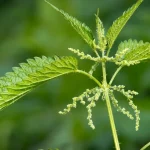 Stinging nettle (Urtica dioica) is an ancient medicinal plant rich in nutrients and antioxidants. It is clinically supported for its allergy relief, anti-inflammatory and nutritional value. Nettle tea or dishes provide gentle yet effective support for the body.
 - Burns: how to recognize them, take action and restore the skin with Ribogal fish ointment
 Burns weaken the skin barrier, causing moisture loss and inflammation. Quick first aid includes cooling and the use of gentle ointments. Ribogal fish ointment, rich in petrolatum, lanolin and omega-3 fatty acids, supports skin regeneration, guides its protection and hydration, and accelerates the healing process.
 - Yogurt bowl with flaxseed for energy, digestion and heart
 Yogurt bowl with flaxseed, berries and nuts – a nutritious and refreshing meal, rich in fiber and omega-3 to support the heart and digestion.